The Complete Guide to Multi-Day Trekking
Plan your first trek: distances, fitness and permits
Start with honest numbers. Most first-time trekkers cover 10 to 15 kilometres a day over mixed terrain; when there is elevation, add time rather than distance. Match the route to your fitness honestly — a flat coastal traverse and a high-altitude pass are different animals.
Check access rules early. Popular routes such as New Zealand's Tongariro Northern Circuit require Great Walk hut and campsite bookings that sell out in peak season, and others need park permits or fees arranged in advance — always confirm the current rules with the official route authority before you book travel.
Choose your style: hut-to-hut or wild camping
Hut-to-hut trekking means sleeping in mountain huts or lodges along the route, so you carry less and share meals with other walkers. Wild camping means pitching your own tent away from formal sites, trading comfort for solitude and flexibility.
On Norway's fjord hut networks, huts are well spaced and sociable; in parts of Patagonia, camping (where permitted) opens up country no hut reaches. Pick the one that matches the experience you want, and check local camping rules — many parks regulate where you can pitch.
Pack trail-ready: the essentials
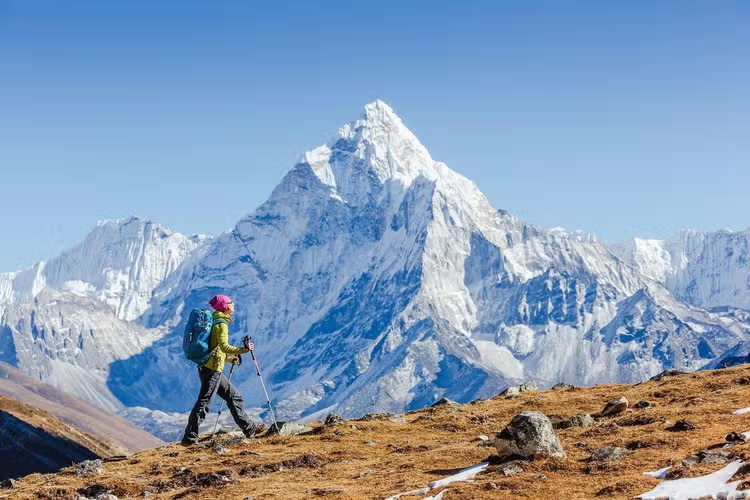
Weight is the difference between a trek you enjoy and one you endure. Build from the three heavy items first — your pack, your sleep system (sleeping bag and pad), and your shelter — then add layers, food, and water treatment. Our gear guide has the full checklist.
Build trail fitness in eight weeks
You do not need to be an athlete; you need to be ready. Walk with a loaded pack twice a week, add one longer hike each weekend, and build back-to-back days in the final fortnight so your legs learn to recover overnight.