Gear
Buy once. Pack light. Leave nothing.
Three rules. Every guide, every review, every gear list on this site follows them without exception.
Sub-10 lb: What to Cut, What to Keep
Taylor spent three years cutting weight from a 22 lb base down to 9.4. The answer wasn't expensive gear — it was hard questions. What do you actually need? What are you carrying out of habit? This guide is the honest breakdown of every decision.
Gear by Activity
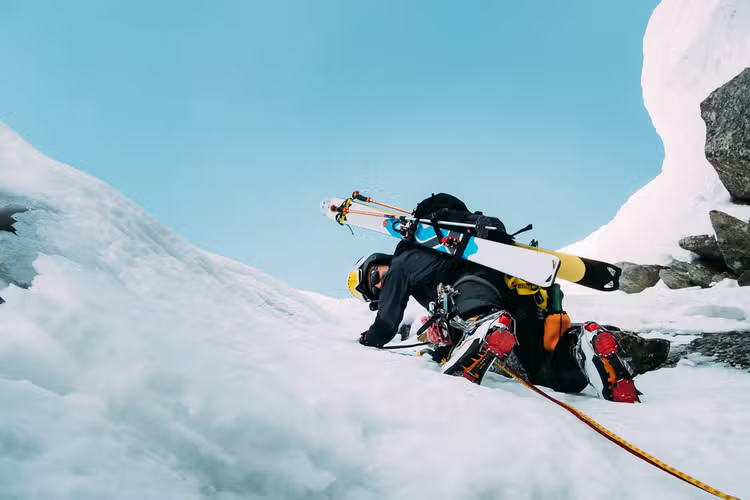
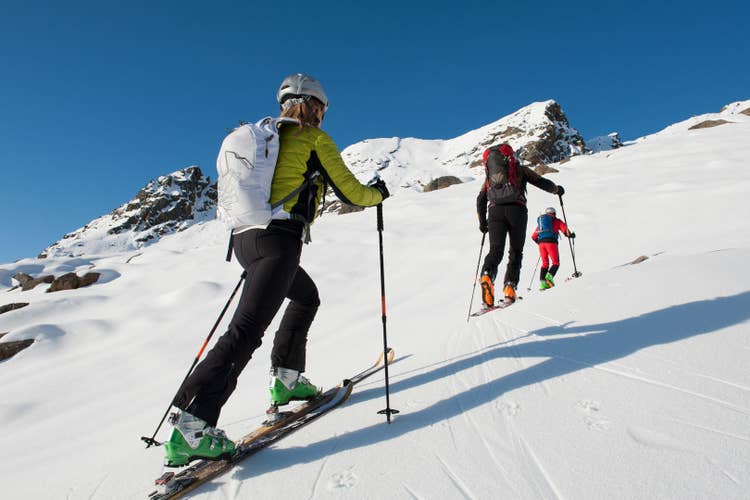
Winter
Why Cold Routes Demand Warm Minds
Winter mountaineering primer
Expedition
W Circuit, Patagonia
9 days, 115 km in Torres del Paine
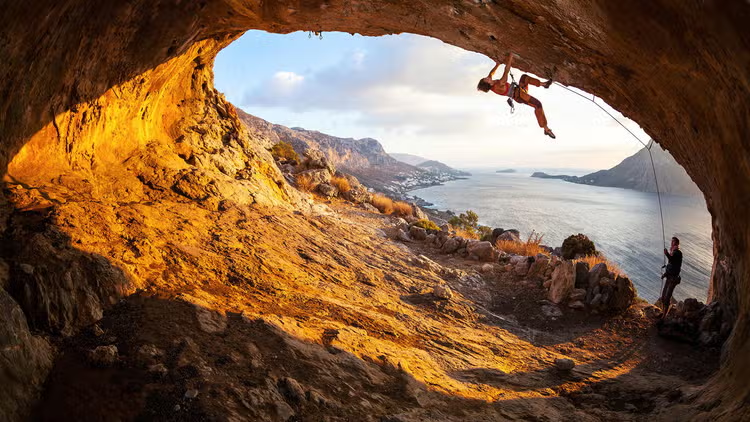
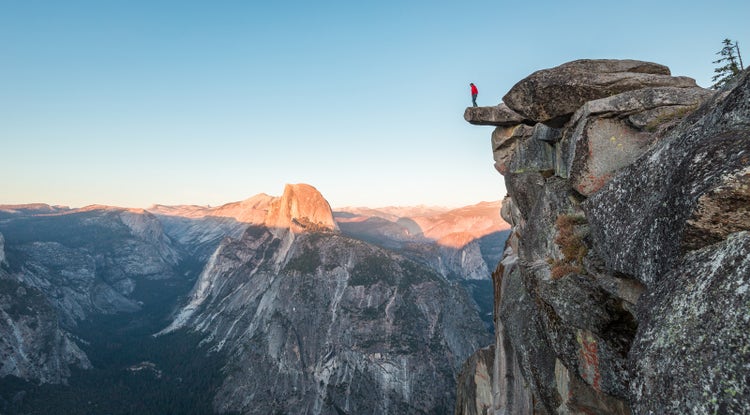
Climbing
First Light on the Valley
Yosemite beginner guide
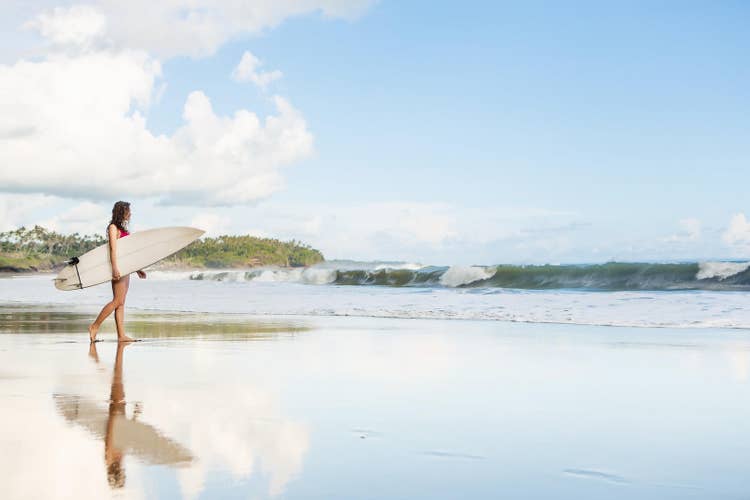
Water
Reading a River
Wild swimming guide
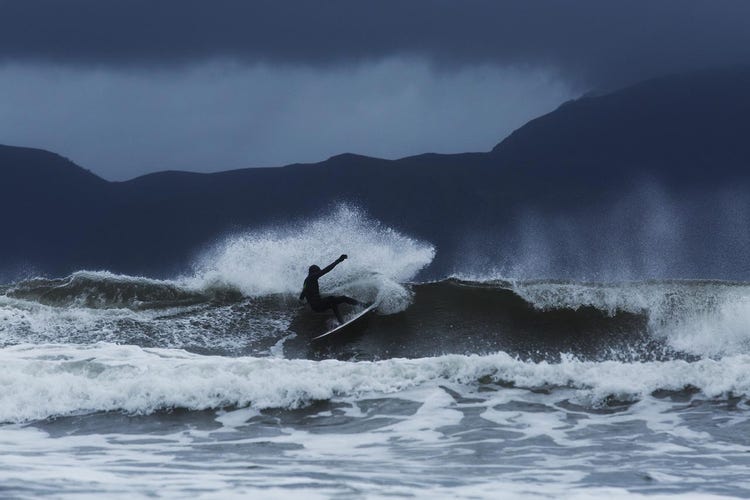
Surf
Lofoten Islands
Arctic surf expedition, Norway
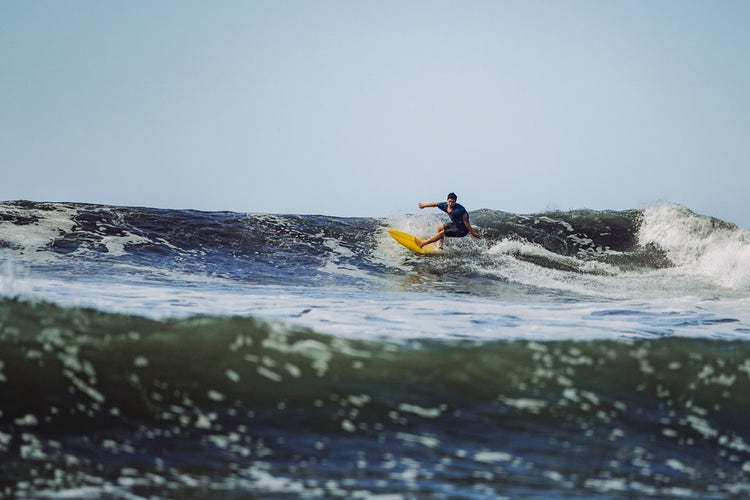
Surf
Pavones & Playa Negra
Costa Rica break guide
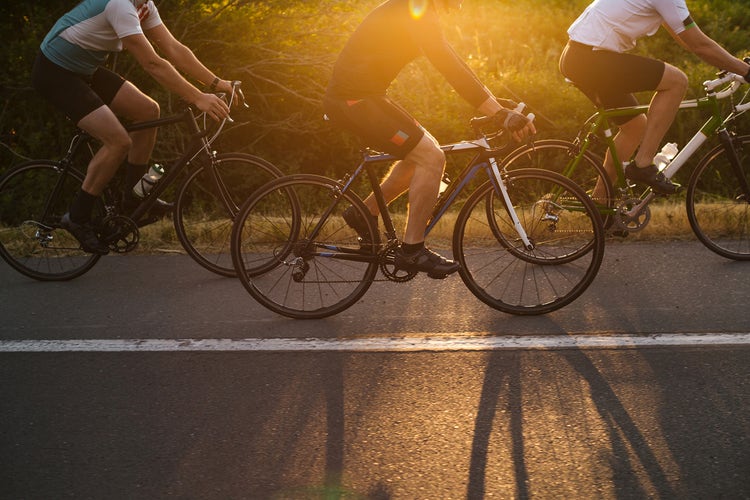
Cycling
Galibier, Izoard, Telegraphe
Six days through the High Alps by bike
Essay
The Camera on Your Back
Mountain photography guide
Gear
Sub-10 lb: What to Cut
Ultralight backpacking guide
Expedition
W Circuit, Patagonia
9 days, 115 km
Gear
Sub-10 lb: What to Cut
Ultralight backpacking guide
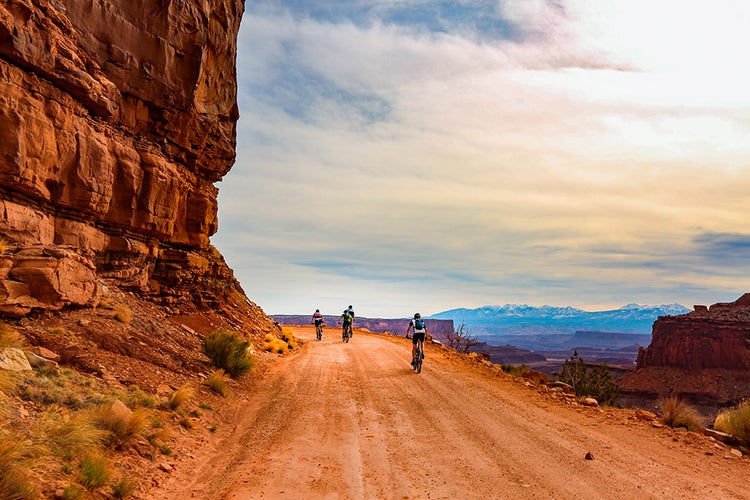
Desert
48 Hours in the Sonoran
A field guide to desert survival
Gear Features
Everything reviewed in this section has been used on an actual route, in actual conditions, by an actual person who made actual decisions about whether to trust it. We do not test gear in controlled environments or against manufacturer specifications. We carry it, beat it against rock, leave it in the rain, and report what happened. The minimum time before a piece of gear is eligible for review is 30 days of use — not 30 days of ownership.
Manufacturer samples are accepted only with full disclosure in the article. When a brand sends us kit, we say so, in the piece, in the first paragraph. Readers can then apply their own judgment. What we do not do is accept samples under conditions of editorial influence, embargo, or pre-approval. If a brand won't send kit without those conditions, we buy it ourselves or we don't review it.
We don't use star ratings. The reason is simple: a four-star boot in the Scottish Highlands in winter is a two-star boot in the Patagonian summer, and any rating system that doesn't communicate that is worse than useless. Instead, WKND gear reviews describe the specific terrain the piece was tested on, the conditions it encountered, and the type of user the contributor is — body type, experience level, activity intensity. That gives you enough information to extrapolate honestly to your own situation.
We do not carry affiliate links. When you click a product name in our reviews, it goes to the manufacturer's site or a neutral source, not a tracked link that earns us a commission. This is a deliberate editorial decision — it is not a moral position on the retail model, but a practical one: we believe you should be able to read a gear recommendation without wondering whether the recommendation is shaped by what it earns. The moment that ambiguity enters, the review is worth less.
The Full Breakdown
Footwear for Technical Terrain
Boot selection is the most consequential single gear decision in alpine and mountain travel. For technical terrain — routes graded D or above, mixed ground, or approaches requiring crampon use — you need a boot with a full-length rand, a stiff sole rated for B2 or B3 crampons, and a heel and toe welt. The fit principle that most people get wrong: leave 10–12 mm of toe room on flat ground and the boot will be correct on a steep descent. If it feels comfortable in the shop, it is probably too large for technical downclimbing.
Layering Systems Explained
The three-layer system — base, mid, shell — is the correct framework for most mountain conditions, but the specific choices within that framework depend on activity intensity and weather. Base layers for high-output activities should be merino or a merino blend: it manages odour over multiple days and doesn't compress insulation the way synthetic fabrics do at rest. Mid-layer selection is where most people over-invest: a 100-weight fleece is sufficient for aerobic activity above a base layer; heavier insulation belongs in the belay jacket, not the hiking mid. Shell choice is straightforward — hardshell for sustained precipitation, softshell for dry cold and high output. The error is trying to find one shell that does both.
Navigation: Map, Compass, GPS
GPS devices have changed navigation in the backcountry, but they have not replaced the capacity to read a 1:25,000 map and set a bearing. The failure mode of GPS navigation — battery death, screen condensation, terrain that looks different at ground level than it does as a track line — happens at exactly the moment you need navigation most. WKND contributors use a mix of Garmin inReach, Suunto Ambit, and offline mapping on phones as primary or secondary tools, but every contributor carries a map and compass as absolute backup. For battery strategy on multi-day routes: a 10,000 mAh power bank adds 230g and extends GPS device use by 4–6 days depending on tracking frequency.
What Goes In
3-Day Alpine Route
- Sleeping bag rated to −5°C synthetic fill — synthetic dries faster than down at altitude where condensation is constant
- 30L alpine pack with hip-transfer capacity — every litre you leave empty is weight you're carrying
- B2-compatible double boots — overnight temperatures at 3,000m regularly drop below −8°C even in July
- 70cm ice axe, T-rated — classic length works for self-arrest
- Hardshell jacket and trousers, Gore-Tex Pro equivalent — sustained precipitation requires the best breathability
- Merino base layer, 200-weight — two tops; one on, one drying in your pack
- Helmet, UIAA-certified — borrow one that fits correctly rather than buying a bad fit
5-Day Desert Trek
- Sleeping bag rated to +8°C, lightweight — desert nights drop sharply; +8°C is the correct temperature floor for Saharan margins
- Freestanding single-skin tent, 1.2 kg — sandstorms require four solid walls and a working zip
- 40L pack with side-compression straps — water weight fluctuates; side straps let you rebalance as you drink
- 4L water capacity minimum — two 2L soft flasks that compress as they empty
- Sun hoody, 50+ UPF, long sleeve — desert sun through a thin layer burns in under 20 minutes
- Trail runners with rock plate, not hiking boots — rock plates prevent bruising without the weight of a boot
- Headtorch rated to 200 lumens with a red mode — red mode preserves night vision and extends battery
Three rules we live by
Buy once
Good gear outlasts trends. Choose carefully, use forever.
Pack light
Every gram is a decision you'll revisit on mile 20.
Leave nothing
The trace you leave is part of your kit. Pack it out.