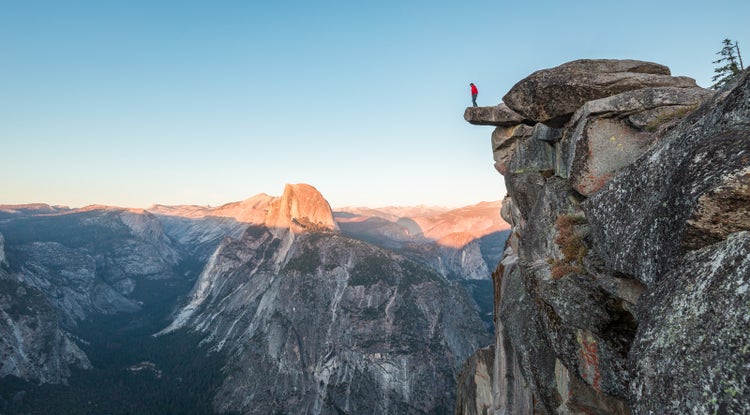
W Circuit: 9 Days, 115 km, One Life-Changing Walk
Galibier, Izoard, Telegraphe: Six Days Through the High Alps by Bike
Activity and experience
The Surly Long Haul Trucker weighed 23 kilograms loaded. I know because I weighed it in the car park in Saint-Jean-de-Maurienne on a borrowed luggage scale and then stood there doing math that I didn't like. My own body weight plus the bike plus the bags equalled something that felt, pushing up the first ramp of Col du Telegraphe at 7 a.m. on a Tuesday in August, like a serious personal failing.
Preparation from the source
Steel touring frame (chromoly, 700c) with wide 38mm tyres for rough descents Ortlieb Back-Roller Classic panniers, pair (rear) — 40L total, waterproof roll-top Ortlieb Front-Roller Plus panniers, pair (front) — 25L total
W Circuit: 9 Days, 115 km, One Life-Changing Walk
Activity and experience
We planned this trip for eleven months. We packed our bags the week before departure, repacked them the day before, and still got things wrong. The W Circuit through Torres del Paine National Park is one of the most famous multi-day treks in the world, and the reputation is deserved — but the version in the glossy travel supplements is missing about forty percent of the story. This is the rest of it.
Preparation from the source
The sleeping bag failed on night five. Not dramatically — no catastrophic failure — but the zip pull came off and we spent twenty minutes in a dark tent with a headlamp trying to lace a piece of cord through the zipper housing. We got it working. The lesson: test every zip, clasp, and buckle before you leave home. The backcountry is not where you want to discover that something doesn't work. Grey Glacier is the western terminus of the W, and reaching it felt like arriving at a different world. The ice is ancient blue, fractured, indifferent. We sat by the lake for an hour and watched chunks the size of small buildings float quietly toward us. There's a moral in there somewhere about patience and perspective. We ate crackers and didn't try to name it.
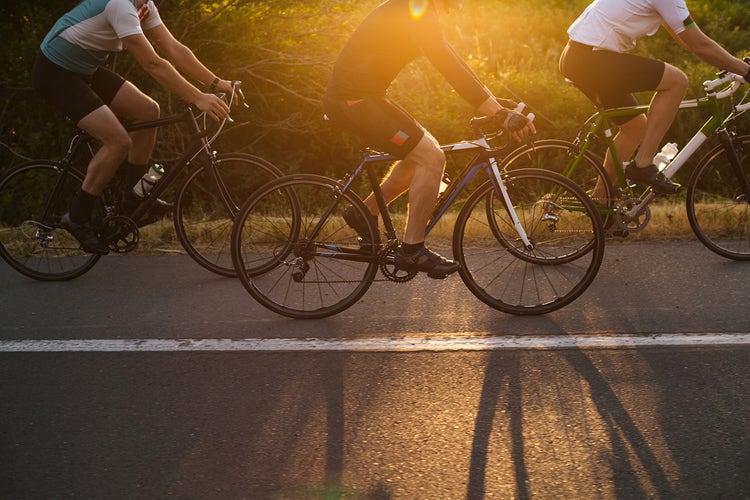
Galibier, Izoard, Telegraphe: Six Days Through the High Alps by Bike
Six days through the French Alps by loaded touring bike — Galibier, Izoard, Telegraphe, and the descent into Briançon.
Steel touring frame (chromoly, 700c) with wide 38mm tyres for rough descents Ortlieb Back-Roller Classic panniers, pair (rear) — 40L total, waterproof roll-top Ortlieb Front-Roller Plus panniers, pair (front) — 25L total
W Circuit: 9 Days, 115 km, One Life-Changing Walk
A day-by-day journal of the W Circuit in Torres del Paine — 9 days, 115 km, and everything the guidebook doesn
The sleeping bag failed on night five. Not dramatically — no catastrophic failure — but the zip pull came off and we spent twenty minutes in a dark tent with a headlamp trying to lace a piece of cord through the zipper housing. We got it working. The lesson: test every zip, clasp, and buckle before you leave home. The backcountry is not where you want to discover that something doesn't work. Grey Glacier is the western terminus of the W, and reaching it felt like arriving at a different world. The ice is ancient blue, fractured, indifferent. We sat by the lake for an hour and watched chunks the size of small buildings float quietly toward us. There's a moral in there somewhere about patience and perspective. We ate crackers and didn't try to name it.
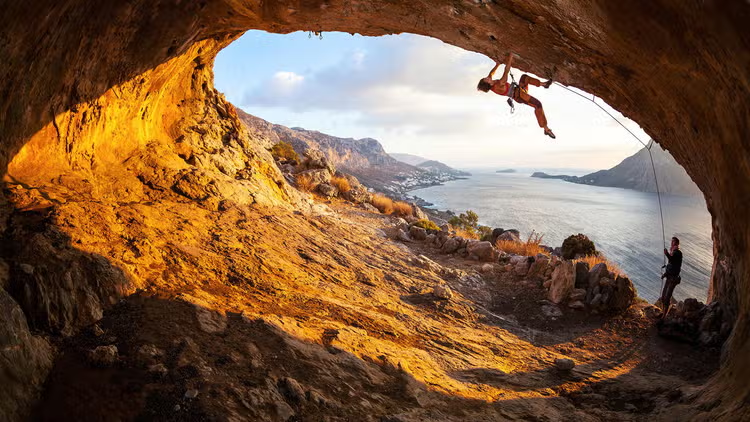
First Light on the Valley: A Beginner's Guide to Yosemite Climbing
A beginner's guide to climbing in Yosemite Valley — where to start, what to expect, and how to build competence on granite.
The gear list for Yosemite climbing can spiral quickly if you let it. For single-pitch sport and trad climbing at the beginner level, keep it focused: A 60m dry-treated rope — shorter won't get you down on many routes Harness fitted properly, belay device, and locking carabiner
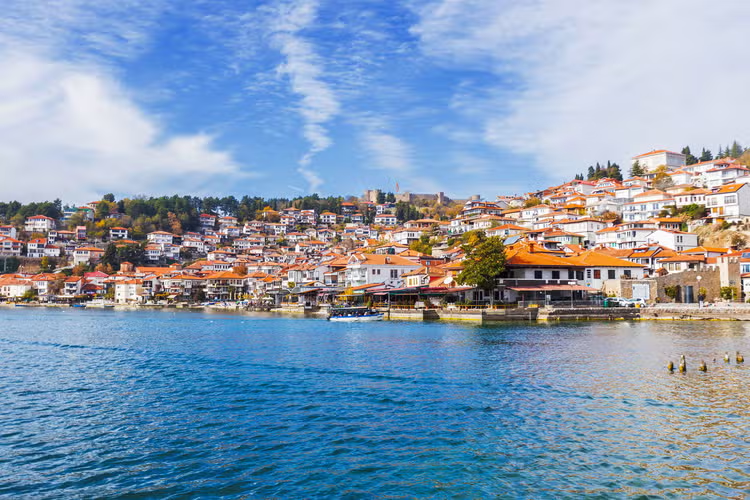
Ohrid Adventure Travel Guide: Trekking, Kayaking & Balkan Culture
We traveled to Ohrid not chasing adrenaline, but something older — the feeling of standing somewhere the modern world hasn't quite caught up to yet. Pre-dawn. A wooden boat on a lake so still it looks like glass. Above, the silhouette of a Byzantine church clinging to a cliff. Below, the oldest lake in Europe — home to species found nowhere else on Earth. The question that brought us here: how does a place this extraordinary remain this unknown?
Ohrid is not just another European lake town. It is a convergence — of geological age, living culture, and genuine wilderness — that experienced adventure travellers are only now discovering. The lake — Ohridsko Ezero to the people who live on its shores — straddles North Macedonia and Albania across 288 km² of surface water that reaches 288 metres at its deepest point. It has been continuously inhabited since the Neolithic era. The Byzantine empire left its mark in churches and frescoes. The Ottoman period left it in architecture and food. None of it cancels the others; Ohrid is a place where everything coexists without effort.
The Mekong Delta: Paddling Into Vietnam's Living River World
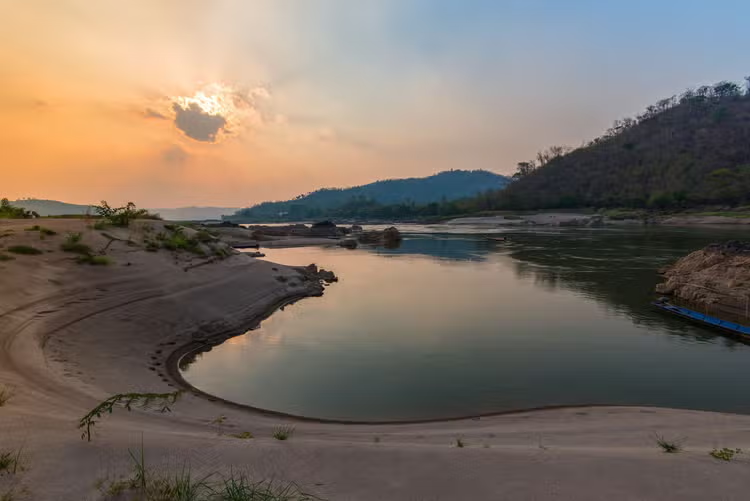
The alarm goes off at 4:15am and for a moment you can't remember why you set it so early. Then you hear the river. The low thrum of longtail boat engines warming up in the dark, the metallic clink of produce being loaded onto wooden hulls, the distant call of a vendor whose day started an hour before yours. You are in Can Tho, and the Mekong Delta is already at work.
Lightweight paddle jacket for early morning canal mist Dry bag (10L) for camera and phone during kayak sections Headlamp for pre-dawn market arrivals
Ladakh, India: where the sky meets the earth at 5,000 metres
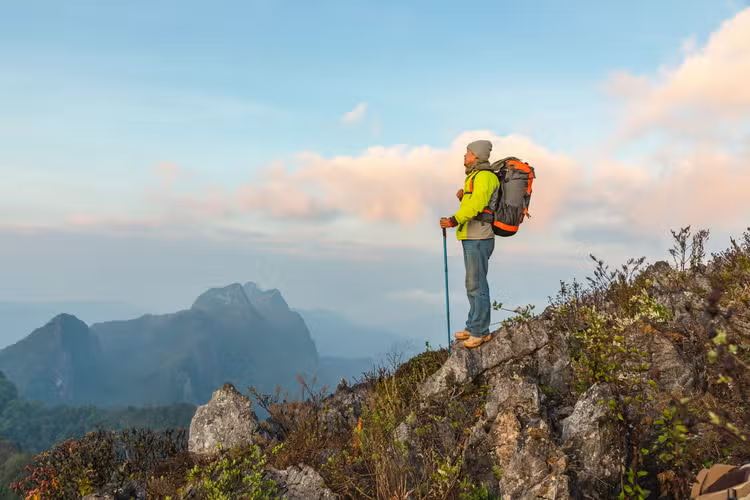
There is a moment, usually on the second morning in Leh, when the altitude releases its grip and the world comes into focus. The sky above is a blue that doesn't exist at sea level. The mountains are bare — no forest, no softening of any kind — and they go on in every direction without apology. Ladakh does not ease you in. It simply reveals itself, and what it reveals is unlike anywhere else on earth.
Ladakh is technically a cold desert. Lying in the rain shadow of the Himalayas, it receives less than 100 mm of precipitation per year, yet glacial rivers carve through the stone and sustain villages and monasteries that have stood for a thousand years. The result is a landscape of brutal contrasts: sand dunes in Nubra Valley backed by 6,000-metre peaks; Pangong Lake — 134 km long, 4,250 m above sea level — shifting between turquoise, cobalt, and silver as clouds move across the Tibetan plateau.
Planning notes
Start with what the source tells us; check current conditions before you go.