Ohrid Adventure Travel Guide: Trekking, Kayaking & Balkan Culture
Ohrid Adventure Travel Guide: Trekking, Kayaking & Balkan Culture (https://main--masterclass-demo--znikolovski.aem.live/blog/ohrid-north-macedonia)
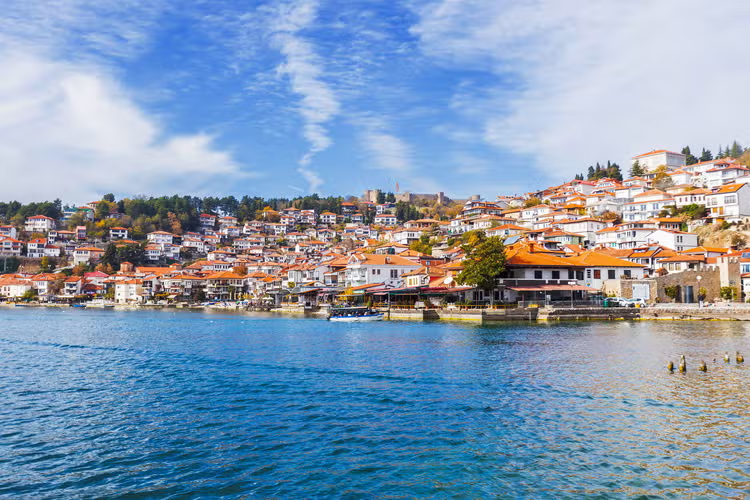
We traveled to Ohrid not chasing adrenaline, but something older — the feeling of standing somewhere the modern world hasn't quite caught up to yet. Pre-dawn. A wooden boat on a lake so still it looks like glass. Above, the silhouette of a Byzantine church clinging to a cliff. Below, the oldest lake in Europe — home to species found nowhere else on Earth. The question that brought us here: how does a place this extraordinary remain this unknown?
Ohrid is not just another European lake town. It is a convergence — of geological age, living culture, and genuine wilderness — that experienced adventure travellers are only now discovering. The lake — Ohridsko Ezero to the people who live on its shores — straddles North Macedonia and Albania across 288 km² of surface water that reaches 288 metres at its deepest point. It has been continuously inhabited since the Neolithic era. The Byzantine empire left its mark in churches and frescoes. The Ottoman period left it in architecture and food. None of it cancels the others; Ohrid is a place where everything coexists without effort.
While Croatia and Slovenia dominate Balkan adventure travel coverage, Ohrid remains conspicuously absent from mainstream adventure media — even as it outperforms on every metric that matters to this kind of traveller: trail diversity, cultural density, water clarity, and affordability. We went to find out if that quiet reputation is deserved. It is.
Arriving at the Edge of Time
The old town rises from the lake on a peninsula of cobblestone and limestone, dense enough to feel medieval but open enough to breathe. Fortress walls from the Tsar Samuel era — 10th century, still mostly intact — frame the upper quarter. Below them, narrow streets descend past carpenter workshops, family-run restaurants, and churches that have been in continuous use for seven hundred years. The smell is fresh water and pine from the mountains above, coffee from open doorways, woodsmoke in the evening.
First impressions tend toward disorientation — not unpleasant. Ohrid operates at a pace that rewards slowing down. The kind of place where the light changes what you see every hour, and where you find yourself returning to the same view at different times of day to catch what you missed.
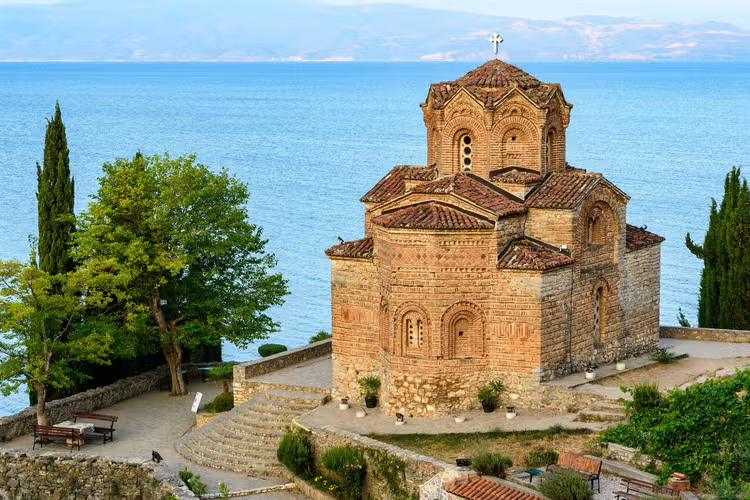
The Church of St. John at Kaneo — 13th century, perched on a cliff of orange limestone above the lake — at the hour when the light arrives from the east.
Into Galichica: The Treks Above the Lake
Galichica National Park forms the mountain spine on the eastern shore, running along the border with Albania and offering some of the most underrated hiking terrain in the southern Balkans. The park has more than 40 marked trails ranging from half-day valley walks to the demanding 3-day ridge traverse that crosses the range at altitude and descends to the Albanian shore of Lake Prespa on the far side.
For visitors new to Ohrid, the Velestovo trail is the right introduction: a 4-hour return from the village above town that climbs through oak and beech forest before breaking onto exposed ridge with a panoramic view of the lake below. Start before 8am in summer; the afternoon sun on the open sections above 1,500 metres is unforgiving. Trekking poles recommended. The difficulty rating sits at beginner-to-intermediate — accessible trails with enough elevation and exposure to feel earned.
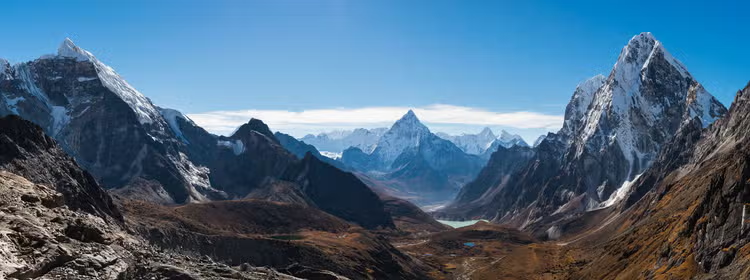
The Galichica ridge above Ohrid — where the trail opens onto the lake view that makes the climb worth every vertical metre.
On the Water: Kayak, SUP & Boat
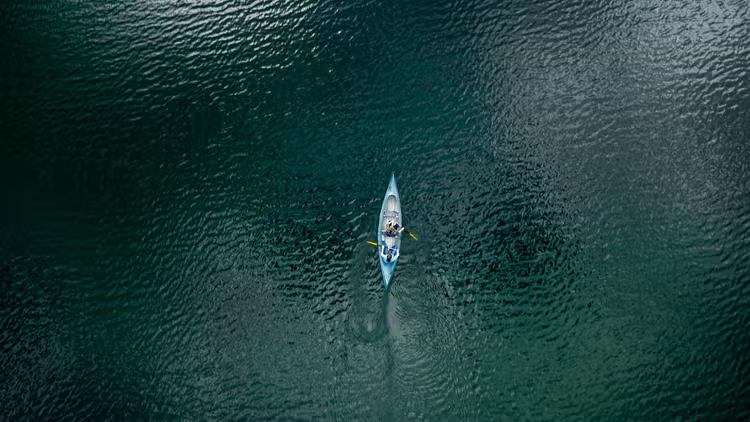
The water is so clear that at 10 metres you can still see your paddle blade. Not Caribbean-clear — colder, darker, ancient-clear. Lake Ohrid is one of the oldest lakes on Earth, estimated at three to five million years, and its clarity is a function of that age: an isolated ecosystem with endemic species, low nutrient levels, and no significant agricultural runoff from the immediate catchment. The endemic Ohrid trout — Salmo letnica, found nowhere else on Earth — is both conservation symbol and culinary tradition.
Morning paddling routes from the old town harbour reach the Church of St. Naum at the southern end of the lake — a two-hour route on flat water with the Galichica wall running above the eastern shore. The monastery sits at the point where the Albanian border crosses the lake; kayakers can approach from the water but may not land on the Albanian side without crossing formalities. The perspective from the water, looking back at the monastery's red roofs against the limestone cliff, is one of the strongest drone vantage points in the region.
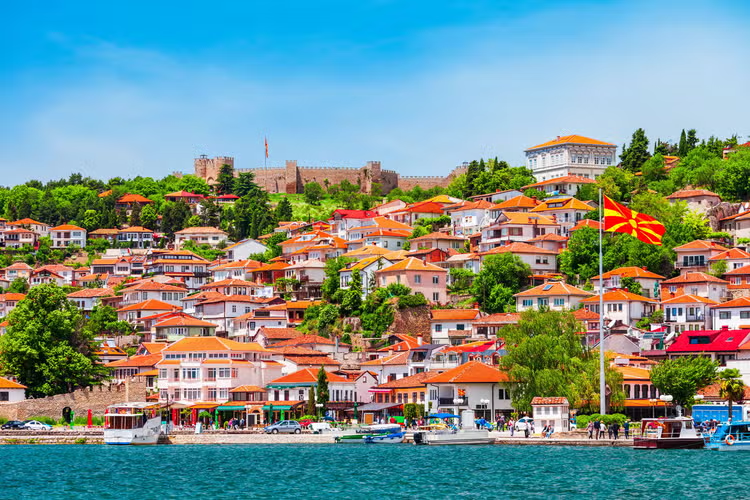
Lake Ohrid from altitude — the old town peninsula visible at the northern end, the Albanian shore in the distance.
Culture at Depth
The Church of St. John at Kaneo is the most photographed site in the Balkans for a reason that photographs can't fully convey: it is the combination of scale and situation. A modest 13th-century church, no bigger than a large living room, positioned on a cliff above the lake that drops sheer to the water. The building's ochre limestone against the lake's dark blue, with the mountains of Albania behind — no filter required, no golden hour necessary, though it helps.
The Icon Gallery in the old town holds one of the most significant collections of Byzantine icons outside Mount Athos. Entry is modest; the collection is extraordinary. Allow ninety minutes. The annual Ohrid Summer Festival — classical music and theatre performed in the ancient theatre overlooking the lake — runs through July and August and is worth building an itinerary around if the timing works. North Macedonia gained independence in 1991 and its cultural identity reflects the full complexity of the region: Macedonian, Albanian, and Roma contributions are all present in Ohrid's food, music, and craft traditions.
Light & Landscape: Notes for Photographers
The best light in Ohrid arrives early. The church at Kaneo faces east across the lake; from about 6:30am in summer the direct light hits the facade while the water behind is still in partial shadow — the contrast window lasts about forty minutes. The old town's cobblestone alleys face west and come alive in the last two hours before sunset. The lake's surface, at near-zero wind in early morning, creates reflections that extend the Galichica mountain wall downward into a near-perfect mirror image.
Drone operators: Ohrid Airport is south of the town and active in summer; the town sits below several approach paths. Check EU D-Flight regulations before flying. The monastery at St. Naum sits within a no-fly buffer zone. The national park ridge offers unrestricted airspace above 300m and views that justify the altitude required to get the gear there. Ohrid has 300+ days of sunshine per year — the light is rarely the problem.
Plan Your Visit
- Best time: May–June for trekking and wildflowers; September for photography and fewer crowds; avoid August peak season
- Getting there: Flights to Skopje (2h drive) or Ohrid Airport (seasonal direct routes from several European cities). Border crossing to Albania possible for multi-country itineraries.
- What to bring: Trekking poles, sunscreen, swimwear, waterproof layer, camera and drone (check regulations), EUR cash for smaller vendors
- Physical demands: Beginner to Intermediate — most trails accessible with basic fitness; the Galichica 3-day traverse requires proper preparation and navigation skills
- Currency: Denari (MKD) is the local currency; most places accept EUR; USD is less reliable outside hotels
- Safety: Sun and altitude awareness above 1,500m; swim only in designated areas; drone no-fly zones near St. Naum monastery; Leave No Trace in Galichica National Park
"Come join us — and come prepared to slow down. Ohrid gives back in proportion to the pace you bring to it."
— WKND Adventures
In the Field
Field Notes
More Stories
Essay
Mountain Photography
The camera as creative tool and physical burden. Alex R.'s landmark essay on shooting in the high mountains.
Expedition
W Circuit: 9 Days, 115 km, One Life-Changing Walk
A day-by-day journal of Torres del Paine — the weather, the permit system, the gear failures, and what the condors taught us about patience.
Desert
Desert Survival Guide
From Taylor B., after three weeks in the Sonoran: the real lessons from moving through extreme heat.
There is more to discover here than we covered in one visit. We went back to the wooden boat at dusk, watching the lights come on one by one in the old town — the fortress lit from below, the church at Kaneo a silhouette against the fading sky, the lake holding the last of the colour. The question we arrived with — how does a place this extraordinary remain this unknown? — had dissolved somewhere on the Galichica ridge. It doesn't matter anymore. What matters is that it's here. Have you been to Ohrid? Tell us what you found in the WKND community.