The Mekong Delta: Paddling Into Vietnam's Living River World
The Mekong Delta: Paddling Into Vietnam's Living River World (https://main--masterclass-demo--znikolovski.aem.live/blog/mekong-delta-vietnam)
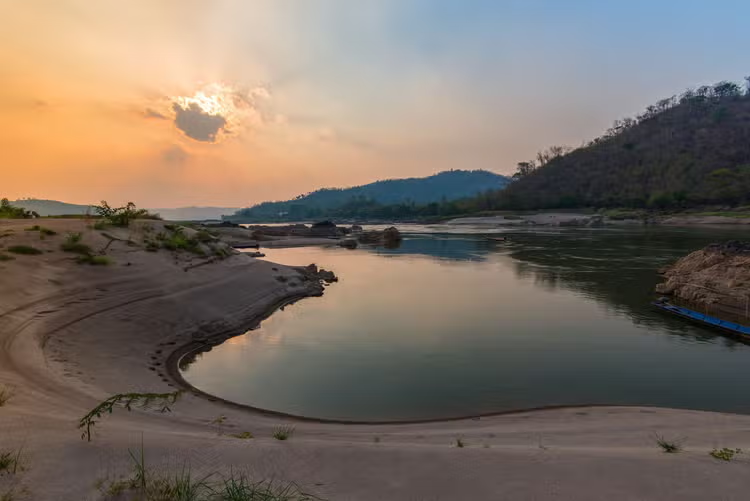
The alarm goes off at 4:15am and for a moment you can't remember why you set it so early. Then you hear the river. The low thrum of longtail boat engines warming up in the dark, the metallic clink of produce being loaded onto wooden hulls, the distant call of a vendor whose day started an hour before yours. You are in Can Tho, and the Mekong Delta is already at work.
The River That Never Stops
The Mekong Delta is a 40,000 km² river labyrinth in southern Vietnam — nine distributaries of the Mekong River spreading out across the flood plain before reaching the South China Sea. Known locally as Cửu Long, the Nine Dragons, it is home to approximately 17 million people whose lives revolve entirely around the water. Floating markets, canal-side rice paddies, fruit orchards, coconut groves, and boat-based commerce that has changed little in generations.
Most travelers treat the delta as a one-day excursion from Ho Chi Minh City. A bus, a boat, lunch on the river, back by dinner. The version they see is real — and it is genuinely good. But the version that stays with you is only accessible to people who stay. WKND goes deeper — sleeping in riverside villages, paddling the smaller canals at dawn before the tour groups arrive, joining community-led market tours that give you genuine access to a world the day-trippers never reach.
Cai Rang at Dawn
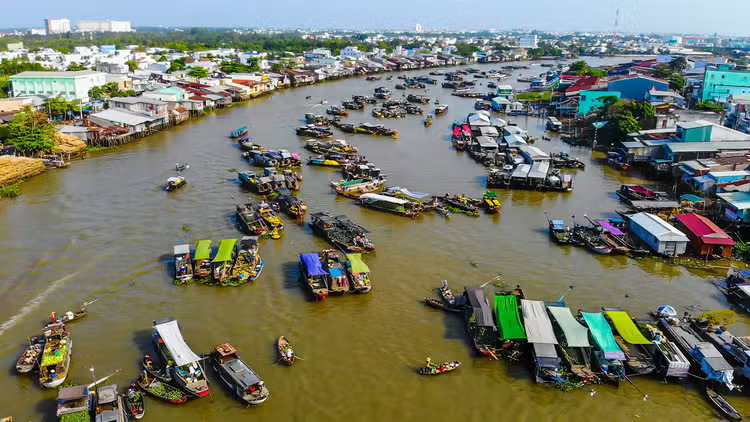
The Cai Rang floating market is Vietnam's largest, and the advice to arrive early is repeated so often it has become a cliché. The thing is, it's true — and "early" means something more extreme than you might expect. We arrived at 5am thinking we were ahead of the crowds. The market had been running for three hours.
By first light, hundreds of wooden boats were clustered on the river, their hulls low under the weight of watermelons, dragonfruit, pineapples, and bundles of morning glory. The sellers wear conical hats and most transactions are conducted without words — prices established through some combination of proximity, eye contact, and a practice refined over decades. You don't browse the Cai Rang market. You read it.
The best access is by small motorboat from Can Tho's riverside district, departing before 5am to catch the market at its most active. By 8am, the density begins to thin. By 10am, it's essentially over. Plan accordingly.
The Small Canals: What the Main River Hides
The Mekong's most rewarding experiences aren't on the main river. They're in the narrow side canals — kênh — that wind through coconut groves, past stilted houses, and into the rhythms of daily life that tourism hasn't reached yet.
Kayaking these routes is a different experience entirely from the motorboat tours. The silence matters. Without an engine, you hear the birds, the water dripping from paddles, the occasional radio drifting from a house on stilts. Children wave from wooden bridges. An elderly woman washes clothes on a concrete step at the water's edge and watches you pass with the mild curiosity of someone who has seen a lot of foreigners and found them mostly harmless.
The routes between Vinh Long and Tra Vinh — small canals inaccessible by motorboat — offer the densest concentration of this quieter delta. WKND arranges guided kayak half-days from homestay bases in both towns.
"The Mekong doesn't reward people in a hurry. It opens up for those who are willing to drift."
Homestay Culture: Ben Tre and the Coconut Islands
Ben Tre is coconut country. The province produces more coconut than anywhere else in Vietnam, and the smell of processing facilities — sweet, slightly fermented, unmistakably tropical — drifts across the water as you approach by boat. The homestay villages here are some of the delta's most accessible, and the guided combination of bicycle and small boat puts you inside a landscape that can't be reached by road.
A typical day in Ben Tre starts with coffee on a wooden deck watching river traffic, follows a local guide through coconut processing workshops and riverside orchards, and ends with a meal cooked by the family you're staying with. The cooking is a revelation — caramelized catfish in claypots, morning glory stir-fried with garlic, freshly caught shrimp grilled over charcoal. Delta cuisine is not the same as the Vietnamese food you know from cities. It is fresher, simpler, and better.
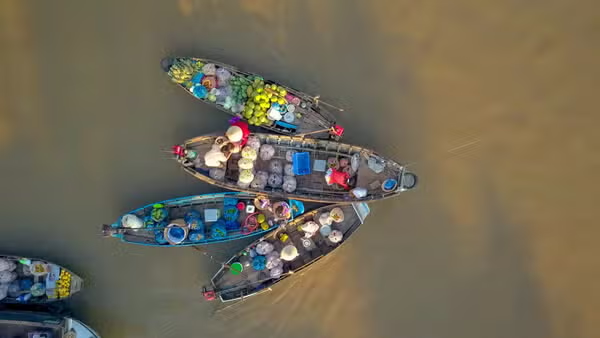
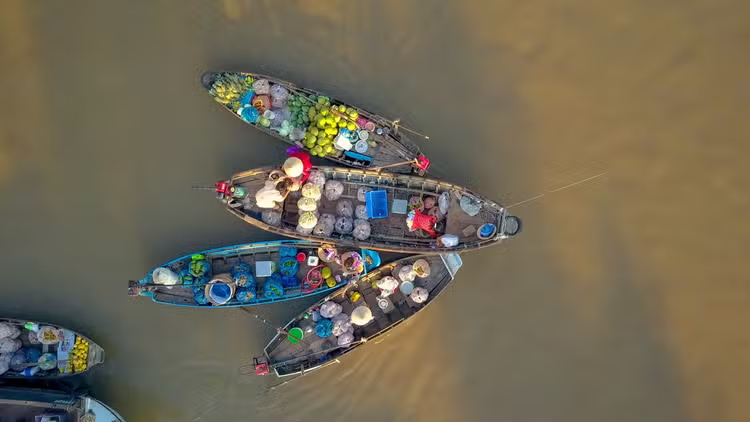
Cai Rang from above: hundreds of boats, thousands of transactions, and a commerce system that has operated on this water for generations.
Chau Doc and the Cambodia Border
The far northwestern reach of the delta, where Vietnam meets Cambodia, is where the river becomes something else entirely. Chau Doc sits on the Bassac River at the border crossing, and the floating fishing villages just offshore are among the most unusual communities in Southeast Asia. Entire neighborhoods built on pontoons — houses, schools, a church — rising and falling with the river's seasonal fluctuations.
The dawn light here is extraordinary. The mist sits low on the water until 7am, and the silhouettes of the floating houses emerge slowly as the sun burns through. It is the kind of scene that makes you put the camera down and just watch. During the October-November Ok Om Bok festival, when the Khmer moon ceremony transforms local markets and the river fills with decorated boats, it becomes something even more remarkable.
When to Go and What to Expect
The dry season — November through April — is the optimal window. Canal routes remain navigable, the floating markets are at full volume, and the heat, while intense, is manageable with early morning and late afternoon activity. The shoulder of November also overlaps with the Ok Om Bok festival if timing allows.
Avoid May through October if you can. The monsoon brings flooding that disrupts some canal routes and reduces the floating market activity. It is not impossible to visit during this period, but the delta you experience will be more limited.
What We Carried
- Lightweight paddle jacket for early morning canal mist
- Dry bag (10L) for camera and phone during kayak sections
- Headlamp for pre-dawn market arrivals
- Vietnamese phrasebook — delta locals appreciate the effort
- Small bills (VND 20,000–50,000) for floating market purchases
"We arrived at Cai Rang at 5am thinking we were early. The market had been running for three hours."
— WKND field team
In the Field
Field Notes

More Stories
Essay
Mountain Photography
The camera as creative tool and physical burden. Alex R.'s landmark essay on shooting in the high mountains.
Gear Guide
Ultralight Backpacking
What to cut, what to keep, and what the ultralight obsession reveals about how we think about wilderness.
Desert
Desert Survival Guide
From Taylor B., after three weeks in the Sonoran: the real lessons from moving through extreme heat.