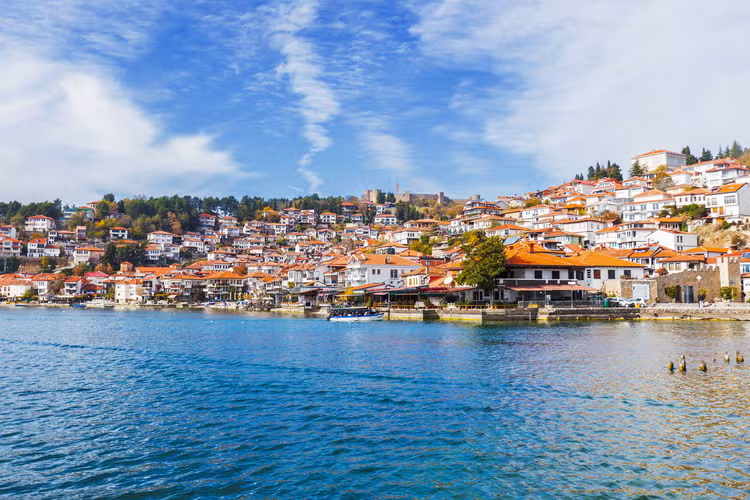
Ohrid: Where a Three-Million-Year-Old Lake Meets the Mountains
Lake Ohrid is older than almost any lake on Earth — somewhere between two and three million years — and it shows in the clarity of the water and the depth of the culture on its shores.
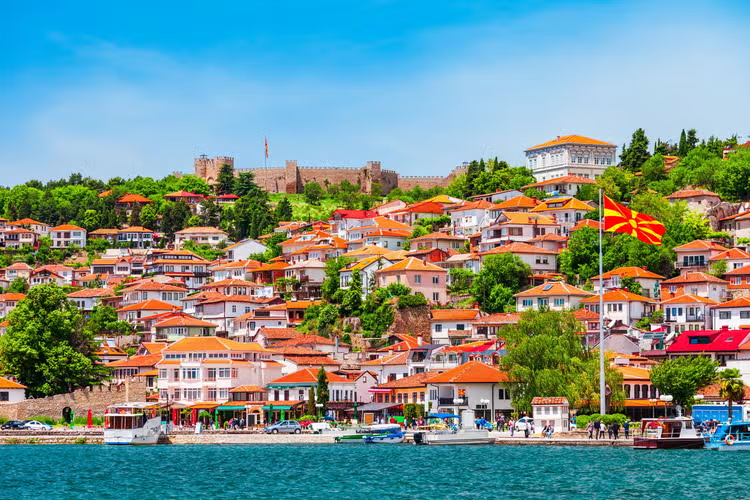
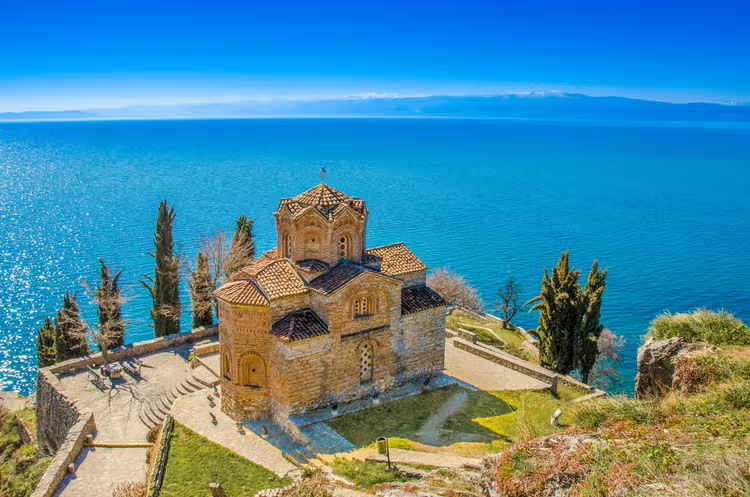
The town stacks white-walled, red-roofed houses up a hillside above the water, crowned by Samuel's Fortress and edged by the cliff-top Church of St. John at Kaneo, one of the most photographed churches in the Balkans.
On the Lake & the Churches
Mornings are for the water — swim, kayak, or take a boat along the shore to Kaneo, where the 13th-century church sits on a rocky promontory over impossibly blue water.
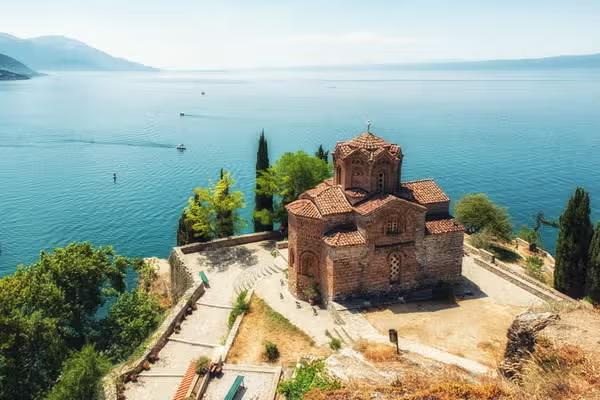
Afternoons belong to the old town's lanes, the ancient theatre, and the layered monasteries that earned Ohrid its dual UNESCO listing for both culture and nature.
"A swimmable UNESCO lake, a walkable old town, and Balkan mountains at your back — Ohrid is a rare combination of relaxation, heritage, and accessible adventure."
This is WKND's flagship culture-meets-lake-adventure trip: approachable for first-time Balkan travellers, rich enough for repeat WKND community members, and flexible enough to layer in hiking and climbing for more active segments.
Into the Mountains Above the Lake
What makes Ohrid unusual is how quickly the day can change character. The same morning that begins with a swim off the old town can end on a ridge in Galičica National Park, the long green spine of mountains that rises behind Lake Ohrid. Trails climb out of the lakeside villages and into open highland where the water spreads out far below, and the descent drops you back among the lanes and cafés by evening — a rare place where lake and mountain sit within a single day’s reach.
It is also a town that rewards a slower, more watchful kind of travel. The cliff-top Church of St. John at Kaneo is one of the most photographed churches in the Balkans for good reason, but the old town keeps offering frames long after the obvious shot: light moving across the ancient theatre, the layered stone of Samuel’s Fortress catching the last of the sun, the small monasteries and frescoed churches that earned Ohrid its dual UNESCO listing. For travellers who measure a trip in the quality of what they bring home, there are few richer subjects.
The season shapes the experience as much as the route. Between May and September the lake stays warm enough to swim and the high trails in Galičica open up, so the same trip can flex from gentle heritage walks to full ridge-to-lake days depending on who is travelling. That range is the point: Ohrid works for a first-time visitor easing into the Balkans, for a returning WKND member after something familiar, and for an active traveller who wants the mountains as much as the water.
Quick Facts
- Best season: May–September
- UNESCO World Heritage — cultural and natural listing
- Lake Ohrid is swimmable and clear
- Reachable via Ohrid "St. Paul the Apostle" Airport or a ~3 hr drive from Skopje
- Pair with Galičica National Park for hiking
"Lake Ohrid is older than almost any lake on Earth — and it shows in the clarity of the water and the depth of the culture on its shores."
Useful information
Quick planning notes for an Ohrid trip — elevation, timing, weather, and local context.
- Lakeside old town and shore at the water’s edge; the lake is ~288 m deep
- Day trails climb into the Galičica highland ridges that rise behind the lake
- May–June for wildflowers, mild weather and open trails
- September–October for golden light and fewer crowds; avoid the August peak
- Around 22°C on average in June and September
- 300+ days of sunshine a year; the lake stays swimmable May–September
- Dual UNESCO World Heritage listing for both culture and nature
- Living monastery tradition, Ohrid embroidery, and the annual Summer Festival; Macedonian, Albanian and Roma heritage, with Eastern Orthodox and Muslim communities
- Continuous habitation since the Neolithic, through Byzantine, Ottoman and Yugoslav eras
- One of Europe’s oldest lakes (~3–5 million years); the cliff-top Church of St. John at Kaneo dates to the 13th century
- Carry your passport for ranger and border checks; crossing to Albania at the south end is possible
- Respect drone no-fly zones near the monastery and check current drone regulations; follow Leave No Trace
Gallery
More Stories
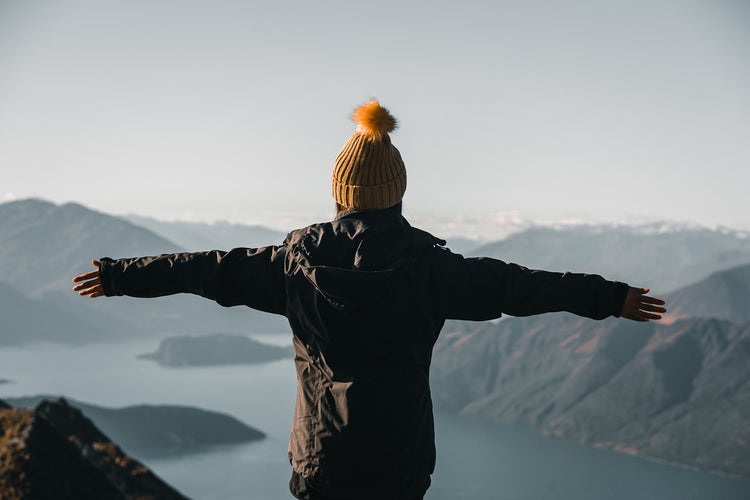
Trekking
Patagonia Trek
A day-by-day journal of the W Circuit in Torres del Paine — 9 days, 115 km, and everything the guidebook doesn't tell you.
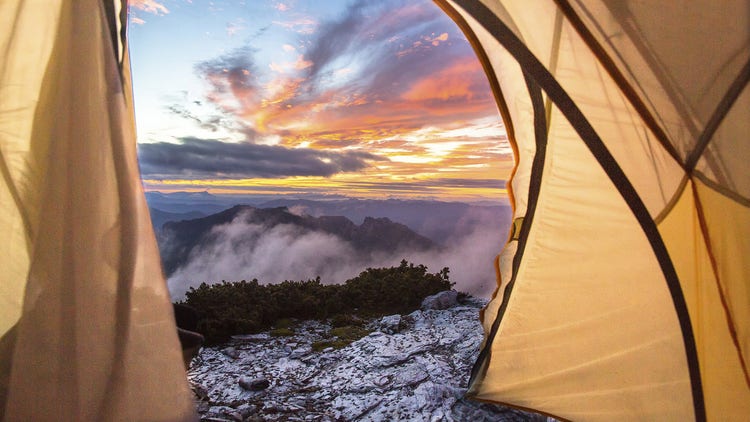
Lakeside
Kayaking Norway
Fjord water, midnight light, and the rhythm of paddling through one of Europe's great waterscapes.
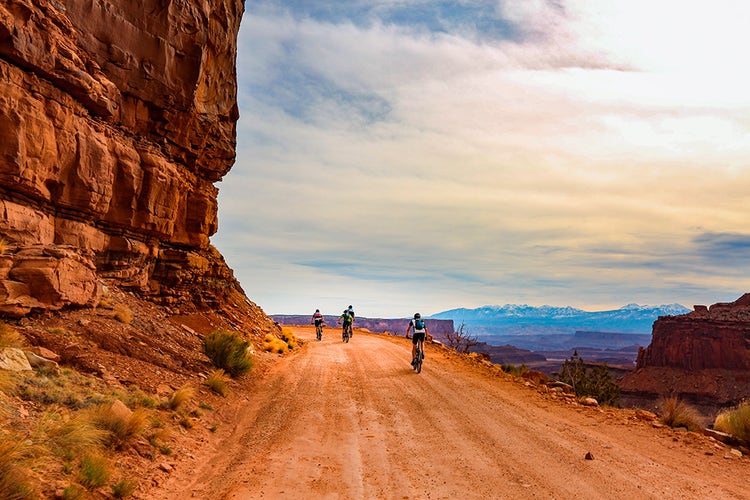
Lakeside
Wild Swimming Guide
Where to swim, how to read open water, and why a cold lake is one of travel's great resets.