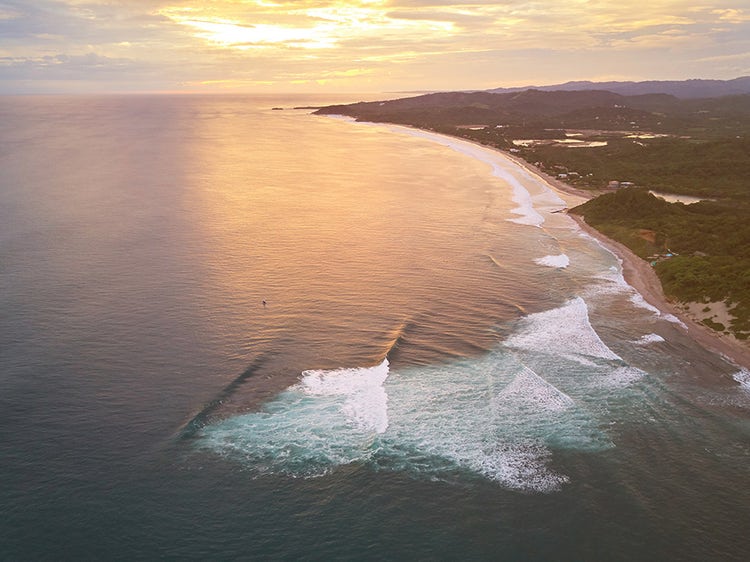
Learn to Surf in the Azores: São Miguel's Beginner Breaks in March

The Azores sit in the middle of the North Atlantic, and almost every swell that crosses the ocean passes them first. That is the good news and the warning. São Miguel, the biggest island, has beach breaks where a first-timer can stand up within a week, and reef and point breaks that are no place to learn. The skill is knowing which is which on the day. This guide shows you where to start, what March is really like and what to pack.
Why the Azores in March
March sits at the end of the Atlantic winter. The big storms are fewer, the swell is still consistent, and the line-ups are quiet. The water is cool, around 16°C, so you need a proper wetsuit. The air is mild, usually in the mid to high teens, and showers pass quickly. You trade warm water for empty beaches, crater lakes and green cliffs that no tropical surf trip can give you.
Where Beginners Start
Santa Bárbara beach at Ribeira Grande, on the north coast, is the centre of Azorean surfing. It is a long black-sand beach with several peaks, and the local surf schools teach there when the swell is small. Monte Verde, next to Ribeira Grande, is a good second option on the same coast.
When the north coast is too big, which happens often in March, go south. Praia do Pópulo, a short drive east of Ponta Delgada, is more sheltered and often has small, gentle waves when Santa Bárbara is closing out.
Take lessons for the first days. A good school picks the beach that suits the day, and gives you a soft board and a wetsuit that fit.
Reading the Day Before You Paddle Out
- Check the swell size and period for the north coast. Long-period winter swell grows fast at Santa Bárbara.
- Watch for twenty minutes. Find where the waves break and where they close out.
- Look for rip currents: darker, flatter channels of water that move away from the beach.
- If the north coast looks heavy, drive to the south coast. The island is small, and the drive is short.
If you are not sure, do not paddle out. Sit on the beach, watch the local surfers and come back tomorrow. The Atlantic will still be there.
Water, Wetsuits and the Cold
At around 16°C, a 4/3 mm wetsuit is the minimum for a long session, and many visitors add boots. Schools include wetsuits with lessons, but check the fit: a loose suit flushes cold water every time you fall. Warm up properly after each session. The cold makes you tired sooner than you expect, and tired surfers make poor decisions.

Out of the water and straight into dry layers. In March, the walk back up the beach is part of the session.
Getting There and Getting Around
WKND Aero flies WK92 from New York JFK to Ponta Delgada. From the airport, Ribeira Grande is about 25 minutes by car, and a rental car lets you follow the swell between the north and south coasts.
Adventure fares to Ponta Delgada start from $389, checked when we published this guide. Fares change, so see the current fare and its conditions on the booking page.
Book your flight to Ponta Delgada
What We Carried
- 4/3 mm wetsuit, plus 3 mm boots for cold mornings
- Soft-top board from the surf school for the first three days
- Warm layers and a waterproof jacket for the beach
- A towel poncho for changing on windy beaches
- A thermos for hot drinks between sessions
- Mineral sunscreen: the Atlantic sun is strong, even in March
At a Glance
- Best beginner beach: Santa Bárbara, Ribeira Grande
- Backup when the north is big: Praia do Pópulo
- Water in March: about 16°C
- Wetsuit: 4/3 mm, boots recommended
- Fly: WK92, New York JFK to Ponta Delgada
"The Atlantic decides the beach. You decide whether to paddle out."
Morgan L., São Miguel

More Stories

Surf
Pavones and Playa Negra
Morgan L.'s Costa Rica break guide: which wave suits your level, and why warm water is not easy water.
Surf
Lofoten Islands
Arctic surfing at the top of the world: cold-water preparation, swell windows and the best breaks.
Gear Guide
Ultralight Backpacking
What to cut, what to keep, and what the ultralight obsession reveals about how we think about wilderness.